Poker Formats, Table Reads, and Pressure Decisions
Contents
Poker formats and first impressions
How I learned to read the table
Making decisions under pressure
My early poker sessions were mostly a blur of colourful cards, hurried bets, and the uncomfortable feeling that everybody else had received a rulebook I had missed. I tried casual cash games first, then small tournaments, and eventually spent time comparing the pace and layout of platforms such as nightwin casino. The games looked similar at a glance, yet they asked for noticeably different habits.
Texas Hold’em became my natural starting point because the basic structure was easy to follow. Two private cards, shared community cards, betting rounds, simple enough. What took longer was accepting that poker is not really about waiting for impressive hands. It is about judging incomplete information without becoming attached to the story I want the cards to tell.
The most useful lesson I picked up was surprisingly plain: a decision can be sensible even when the hand loses.
Reading the Table Beyond the Cards
At a live table, reading people can sound almost mystical, but my experience has been much less dramatic. I do not assume that a cough, a glance, or a twitch reveals a bluff. That seems unreliable. Instead, I watch patterns. Does someone enter many pots but fold when challenged? Do they bet quickly only with strong made hands? Are they suddenly quiet after the turn card?
One player I faced regularly had a small habit that I still remember. He would stack his chips into very neat columns before making a large river bet. The first time I noticed it, I called with a middling hand and lost. After a few more hands, though, I realised the careful stacking appeared when he was nervous, not confident. It was not a magic tell, merely a clue that deserved a little weight.
Online, the clues change. I pay attention to bet sizing, timing, how often a player raises from the same position, and whether they keep showing down weak holdings. A pause before a decision may mean someone is thinking, multitabling, distracted, or dealing with a poor connection. I try not to build an entire theory from one delay. A pattern needs repetition before I trust it.
The Difficult Seconds Under Pressure
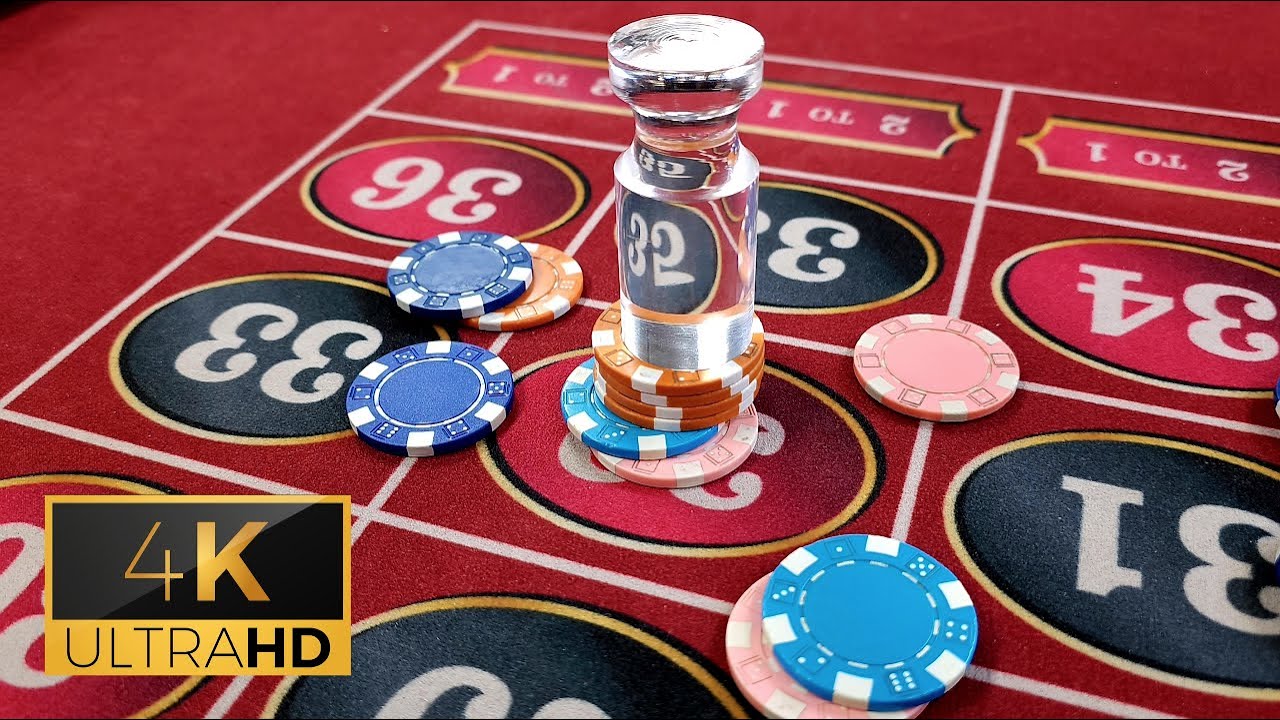
Pressure is where my neat ideas have most often fallen apart. When a large pot is sitting in the middle and an opponent moves all-in, logic can suddenly feel distant. I have caught myself focusing on the amount already invested, as if money in the pot somehow belonged to me. It does not. That is the familiar trap of chasing a bad call because I dislike walking away.
What helped was giving myself a short mental routine. I ask what hands realistically beat mine, what worse hands might take this line, and whether the price of calling makes sense. I do not always get it right. Sometimes I still make a call because curiosity gets the better of me, which is hardly ideal, but at least I recognise the reason afterwards.
A calm fold can feel disappointing for ten seconds, while an emotional call can bother me for the rest of the session.
In tournament poker, pressure has another layer. Chips are not worth exactly the same at every stage. Near a payout jump or final table, survival matters more, although becoming too cautious can be expensive too. I have played both extremes, once folding far too much near the money, then overcorrecting in a later event and shoving with a hand that looked better than it was. Neither moment was elegant.
Adapting My Game for Online Poker
Online poker is faster, and that speed can be useful or dangerous depending on my mood. The absence of faces removes physical tells, but it also removes some distractions. I can make notes, review hands, and set a limit before I start. That last part matters more than any advanced tactic. Poker is entertainment for me first, so I avoid treating a bad run as a problem that has to be solved immediately.

I now prefer fewer tables rather than trying to play everything at once. There was a period when I believed more action meant more learning. In reality, I was clicking decisions with barely enough time to consider position or stack depth. One focused table can teach me more than four rushed ones, perhaps because I actually notice what opponents are doing.
Conclusion
Poker formats may differ in pace and structure, but the central challenge stays familiar: make the clearest decision possible with limited evidence. I have learned to observe patterns, respect pressure, and accept that folding is often part of playing well. The cards still surprise me, naturally, but that uncertainty is exactly what keeps a thoughtful session interesting.
FAQ
Is Texas Hold’em the best format for a beginner? In my view, it is usually the easiest place to begin because the rules are widely available and the flow becomes familiar quickly. Should I rely on physical tells? I would not rely on them alone. Repeated betting behaviour is generally more useful. What should I do when I feel rushed? I pause, return to the basic facts of the hand, and remind myself that I do not have to win every pot.