Classic Table Games, Seen from the Player’s Side
Contents
Starting out
Roulette
Blackjack
Baccarat
Craps
Better habits
Classic casino table games looked intimidating to me at first, even online. Slots had obvious buttons, bright symbols, and no real pressure to understand anything before pressing spin. Roulette, blackjack, baccarat, and craps felt different. They seemed to come with an unspoken expectation that I should already know the language. After a few cautious sessions, I realised the basics are usually simpler than the layouts suggest.
When I began comparing game lobbies and reading player comments, I also came across night win while looking at the broader online casino space. That detour reinforced something useful: a polished platform is nice, but the important part is still understanding what a bet actually pays, what it costs over time, and when a game is asking me to make a decision I do not really understand.
Odds are often discussed as if they predict the next round. They do not. They describe the long-run mathematical edge held by the casino, assuming a particular set of rules and sensible play. A lucky streak can happen quickly, and an ugly run can happen just as quickly. I have experienced both, including one blackjack session where I won several hands in a row and briefly felt far more skilled than I was. That feeling lasted about twelve minutes.
Roulette: easy to enter, easy to overcomplicate
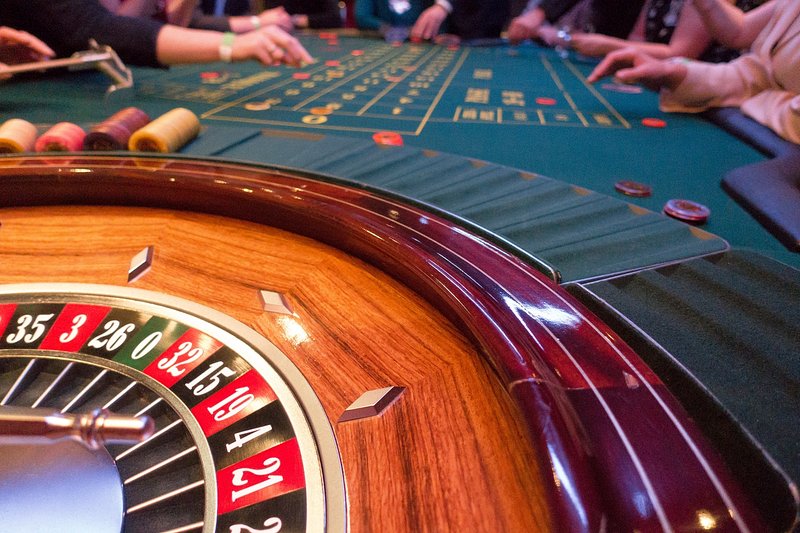
Roulette was the first table game I tried because the core idea is so visual. I place a chip on a number, colour, group, or range, then wait for the wheel. The broad distinction that matters most is the wheel type. European roulette has one zero, while American roulette adds a double zero. That extra pocket may look like a tiny detail, but it changes the odds noticeably.
On a standard European wheel, a straight-up number bet pays 35 to 1, although the true chance of hitting a chosen number is 1 in 37. Red or black, odd or even, and high or low are close to even-money bets, but the zero means they are not truly even. The usual house edge is about 2.70%. On American roulette it rises to roughly 5.26%, which is one reason I normally avoid it unless I am simply playing for a short bit of entertainment.
| Game | Typical lower-edge option | Approximate house edge | What I watch for |
|---|---|---|---|
| European roulette | Outside bets | 2.70% | Single-zero wheel |
| Blackjack | Basic strategy play | About 0.5% or less | Dealer rules and payout |
| Baccarat | Banker bet | About 1.06% | Commission details |
| Craps | Pass line with odds | About 1.41% before odds | Avoiding high-edge props |
The common roulette mistake is chasing patterns. I used to notice five black results and think red was somehow due. It is not. Each spin is independent, and the wheel has no memory. Another mistake is covering half the board with chips because it feels safer. It can create more frequent small hits, perhaps, but it does not erase the house edge. I now decide my stake before the round begins, rather than responding emotionally to the last result.
Blackjack: the rules matter more than the mood
Blackjack is the table game where choices can make the greatest difference. The aim is to beat the dealer without going over 21. Number cards count at face value, face cards count as ten, and aces can be one or eleven. That is the short version, anyway. The more important part is deciding when to hit, stand, double, split, or surrender.
I learned basic strategy gradually, mostly by using a chart while playing free rounds. It took me a while to stop treating every hand as a personal instinct test. If I have 16 against a dealer’s 10, standing feels emotionally safer, but it is often not the mathematically preferred decision. Good blackjack play can feel uncomfortable in the moment. That is one of its strange charms, and one reason some players ignore the numbers.
These are the rule details I check before sitting at an online blackjack table:
- Whether blackjack pays 3:2 rather than 6:5, because the reduced payout increases the casino advantage.
- Whether the dealer hits or stands on soft 17.
- How many decks are in use and whether doubling after a split is allowed.
- Whether surrender is available, since it can help in certain difficult hands.
Insurance is another classic trap. It is offered when the dealer shows an ace, and it can sound protective, which is probably why I initially liked it. But for most players it is usually a poor-value side wager. I now view it as a separate bet, not a rescue button. The same goes for flashy side bets. They are entertaining in moderation, but their house edge is often much higher than the main blackjack hand.
Baccarat: less control, cleaner choices
Baccarat surprised me because it looked formal and complicated, yet the basic bet is remarkably straightforward. I choose Banker, Player, or Tie. Cards are dealt according to fixed drawing rules, and the hand nearest to nine wins. I do not decide whether to draw another card, which makes baccarat feel calmer than blackjack for me. There is less second-guessing after the bet is placed.
The Banker wager generally has the best odds, with a house edge around 1.06%, even after the usual commission on wins. The Player bet is only slightly behind. The Tie bet is where I have to be cautious. Its headline payout can be tempting, but it normally carries a much larger house edge. A small winning bet on the Tie can make it look clever, although the long-term math is not especially kind.
Craps: learning the map before betting
Craps is probably the most visually busy classic table game. The layout is crowded with boxes, labels, and wagers that seem designed for people who already know each other. Online versions can actually make the first lesson easier because I can pause, read descriptions, and start with a low stake. Once I separated the main bets from the decorative-looking extras, it became much less mysterious.
The Pass Line bet is the usual entry point. On the come-out roll, a 7 or 11 wins, while 2, 3, or 12 loses. A 4, 5, 6, 8, 9, or 10 becomes the point, and then that number must roll again before a 7. The Don’t Pass bet takes the opposite side, which felt odd to me at first but follows similarly reasonable odds.
After a point is set, taking odds behind a Pass Line bet is one of the better-known value options because the odds portion itself has no house edge. Still, it does not make the whole session risk-free, and it can increase the amount at stake quickly. I have seen players get excited by the phrase “no house edge” and forget that the original line bet remains in play.
For a beginner, I think these are the most useful things to avoid early on:
- Single-roll proposition bets, which may resolve fast but commonly have steep house edges.
- Adding several unfamiliar wagers just because other players appear to be doing so.
- Increasing stakes after a loss in an attempt to force a recovery.
- Playing too quickly when the rules have not yet settled in.
A small note from my own first craps session: I had a cup of tea beside my laptop and spent more time hovering over bet labels than actually wagering. That was not wasted time. Slow play is completely acceptable, especially when real money is involved.
The mistakes that follow players between games
The same mistakes appear across almost every classic table game. Chasing losses is the biggest one I have noticed, both in myself and in the way people describe their sessions. A loss feels unfinished, so there is an urge to make one more wager and put things right. But a new round has no obligation to repair the last one. I now set a spend limit before depositing, and I treat it as money spent on entertainment rather than money waiting to return.
Another problem is confusing a bonus, cashback offer, or loyalty point with an improvement in a game’s odds. Promotions can have value, but only after checking wagering requirements, contribution percentages, time limits, and eligible games. A roulette round may contribute differently from blackjack, for example. The small print is not exciting, admittedly, but it is usually where the important information sits.
My preference is to choose one game, use a stake that does not bother me, and take regular breaks. That approach is not dramatic. It is also the reason I enjoy classic tables more now than when I was trying to learn everything in one evening. The rules become familiar, the odds become less abstract, and mistakes are easier to spot before they become expensive.